Do Animals Menstruate?
Understanding Menstruation in Nature
Menstruation is commonly perceived as a biological process exclusive to humans. This belief often leads to confusion, especially when people observe bleeding in animals and assume it is the same phenomenon. In reality, although all mammals have reproductive cycles, true menstruation is extremely rare in the animal kingdom.
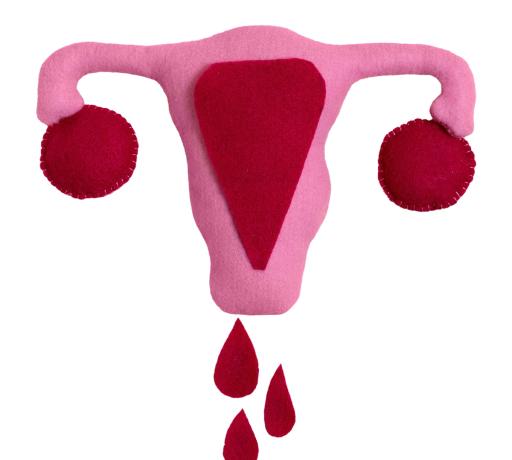
To understand this topic clearly, it is important to distinguish menstruation from other reproductive cycles. Menstruation occurs when the lining of the uterus thickens in preparation for pregnancy and is later shed through visible bleeding if pregnancy does not occur. This process is regular, cyclical, and externally noticeable.
Most animals, however, do not experience menstruation. Instead, they have what is known as an estrous cycle. In this cycle, the uterine lining is not shed outward. It is reabsorbed by the body, and visible bleeding is either minimal or completely absent. This fundamental difference explains why menstruation is uncommon outside of humans.
Only a very small number of species experience true menstruation. Humans are the most well-known example. Among animals, some primates such as chimpanzees and bonobos also menstruate, with observable bleeding and cyclical patterns similar to humans. In gorillas and orangutans, menstruation-like bleeding has been observed in certain individuals, although their cycles are not as regular.
Interestingly, scientific observations have also identified true menstruation in a limited number of fruit bat species. In these bats, the uterine lining is shed through bleeding rather than being reabsorbed.
Animals such as dogs, cats, rabbits, cows, horses, and most other mammals do not menstruate. Rabbits, in particular, are often misunderstood. Rabbits do not have menstrual cycles, and any visible bleeding in a rabbit should be considered a medical concern rather than a normal reproductive event.
Understanding the difference between menstruation and estrous cycles helps correct widespread myths. Menstruation is not a universal biological process but a specific reproductive pattern found in very few species.
From a women’s health perspective, menstruation is more than bleeding. It reflects hormonal balance, uterine health, and overall well-being. Recognizing this process as a natural bodily rhythm rather than an anomaly supports healthier awareness and self-care.